Our facilities
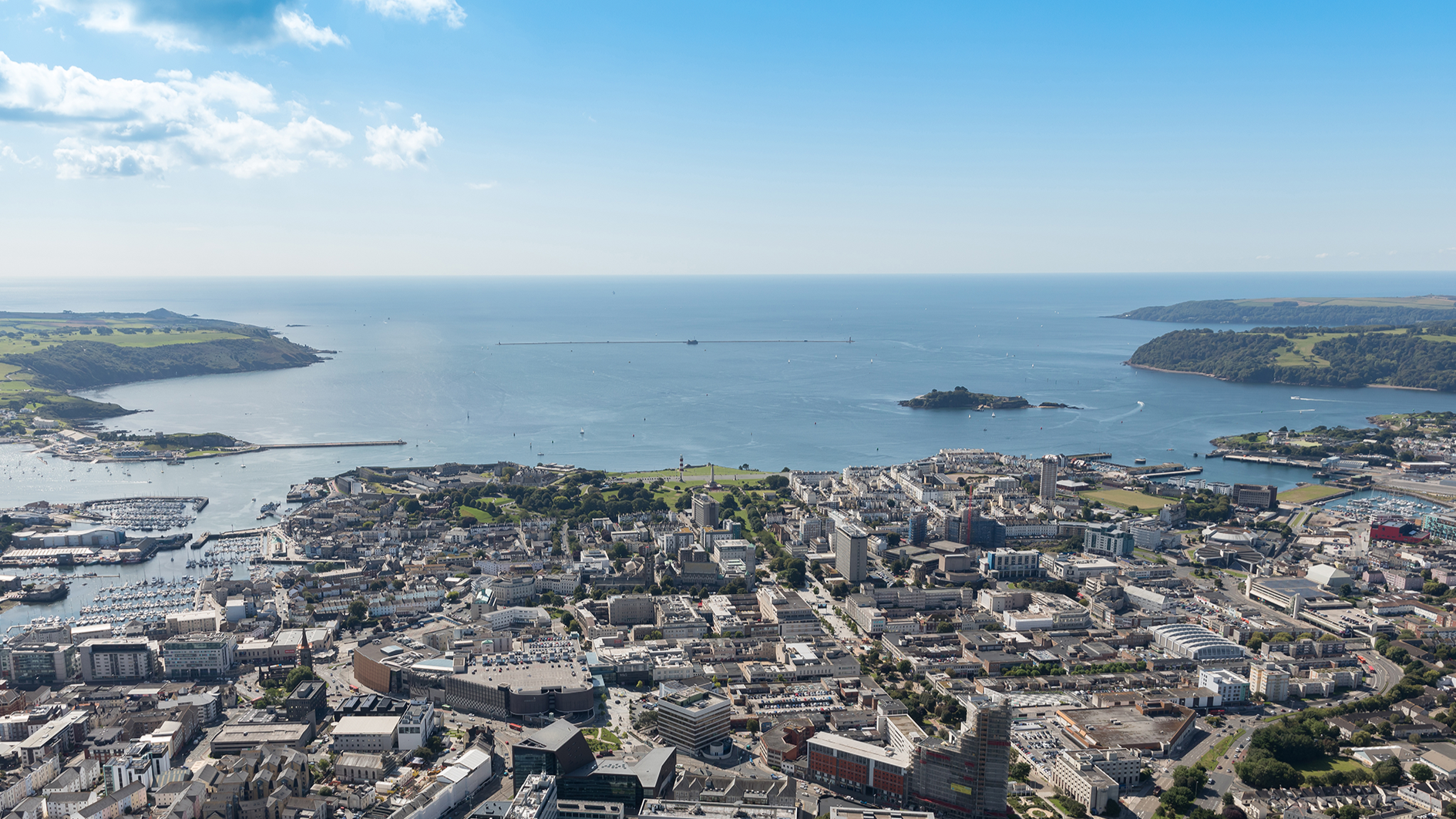
Plymouth offers a uniquely integrated marine autonomy ecosystem, combining world-class research, advanced test environments, specialist waterside infrastructure and a strong industry cluster.
Linked onshore labs and fabrication spaces connect seamlessly to coastal proving grounds, enabling rapid development and deployment of autonomous systems, supported by major defence assets, academic–industry collaboration and the Plymouth & South Devon Freeport.
The most heavily instrumented stretch of ocean in the world
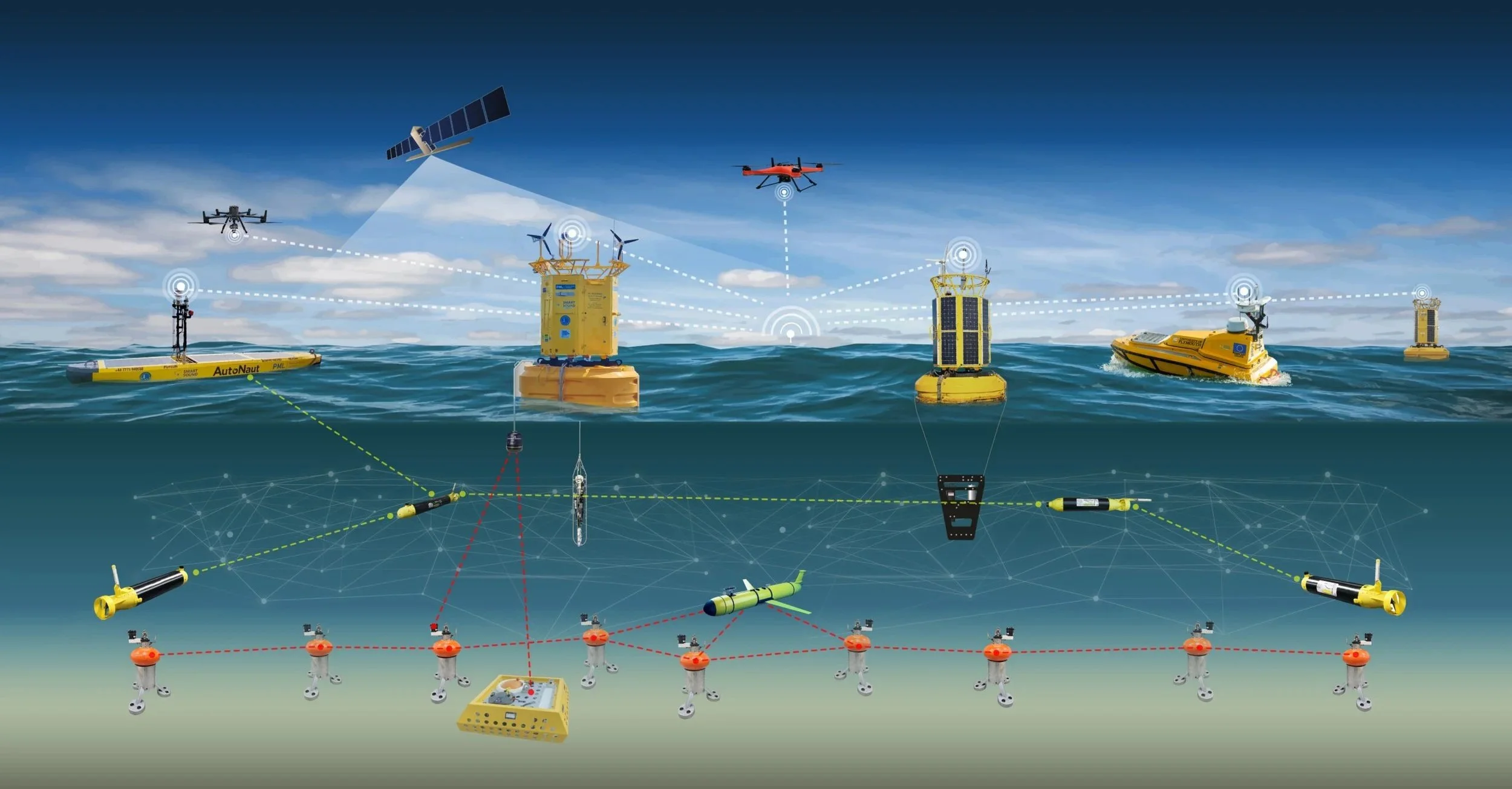
Smart Sound Plymouth is the UK’s premier proving area for designing, testing and developing cutting-edge products and services for the marine sector. This multi-million-pound development, led by Plymouth Marine Laboratory (PML) in partnership with the University of Plymouth, provides access to first-class onshore and offshore facilities, as well as marine science and technology expertise.
With a diverse testing environment and more than 1,000 sq km of deconflicted water space, the area is perfectly suited for conducting sea trials, including sub-surface trials with access to offshore water depths of 75m, providing the ideal environment for multi-platform mission operations.
Offshore testing is complemented by onshore facilities, including state-of-the-art laboratories and testing environments for small to large items of equipment.
Research vessels
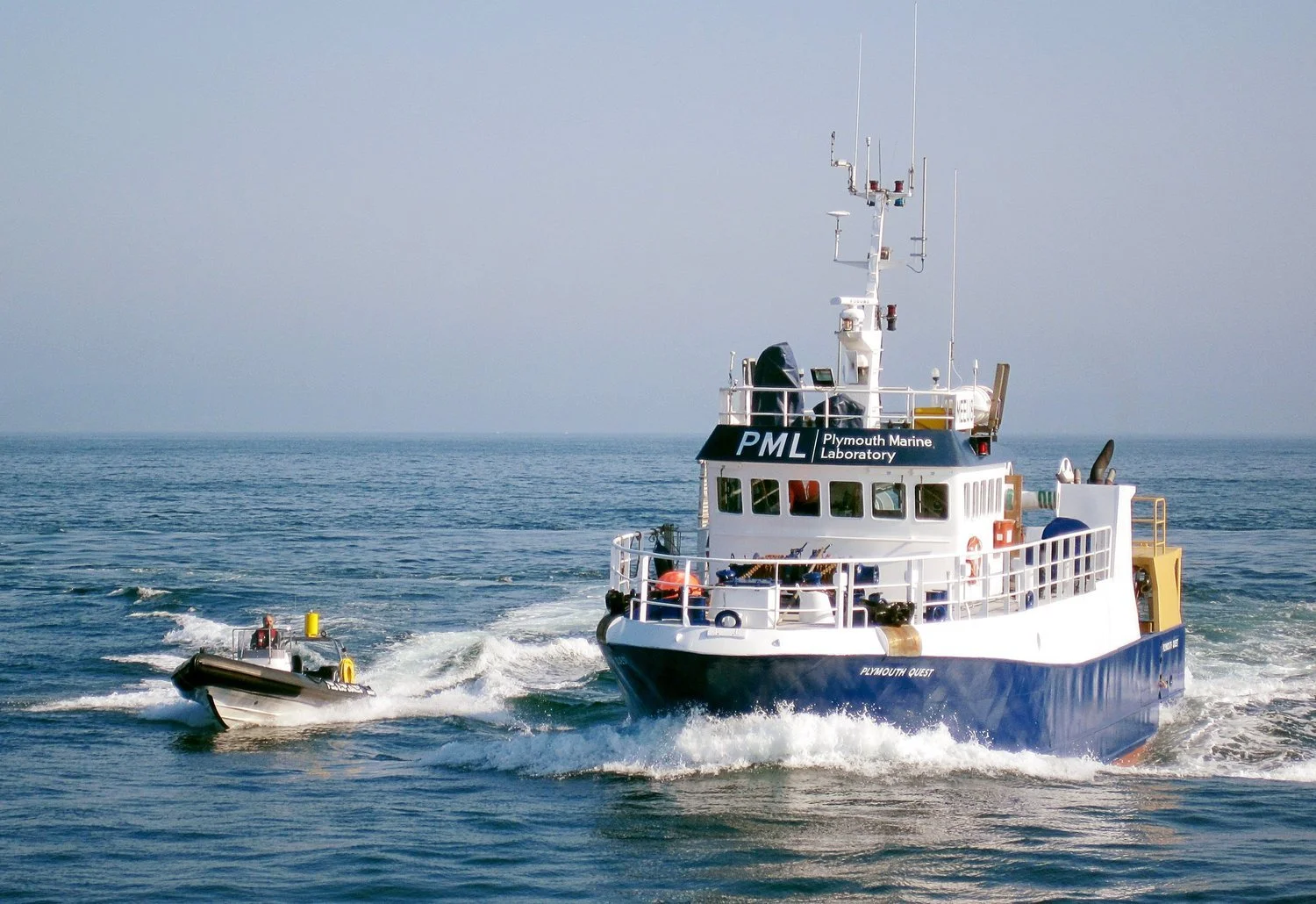
The Marine Biological Association, Plymouth Marine Laboratory, and the University of Plymouth (partners in the Marine Research Plymouth Alliance) have a fleet of research vessels that provide essential resources for marine studies and exploration.
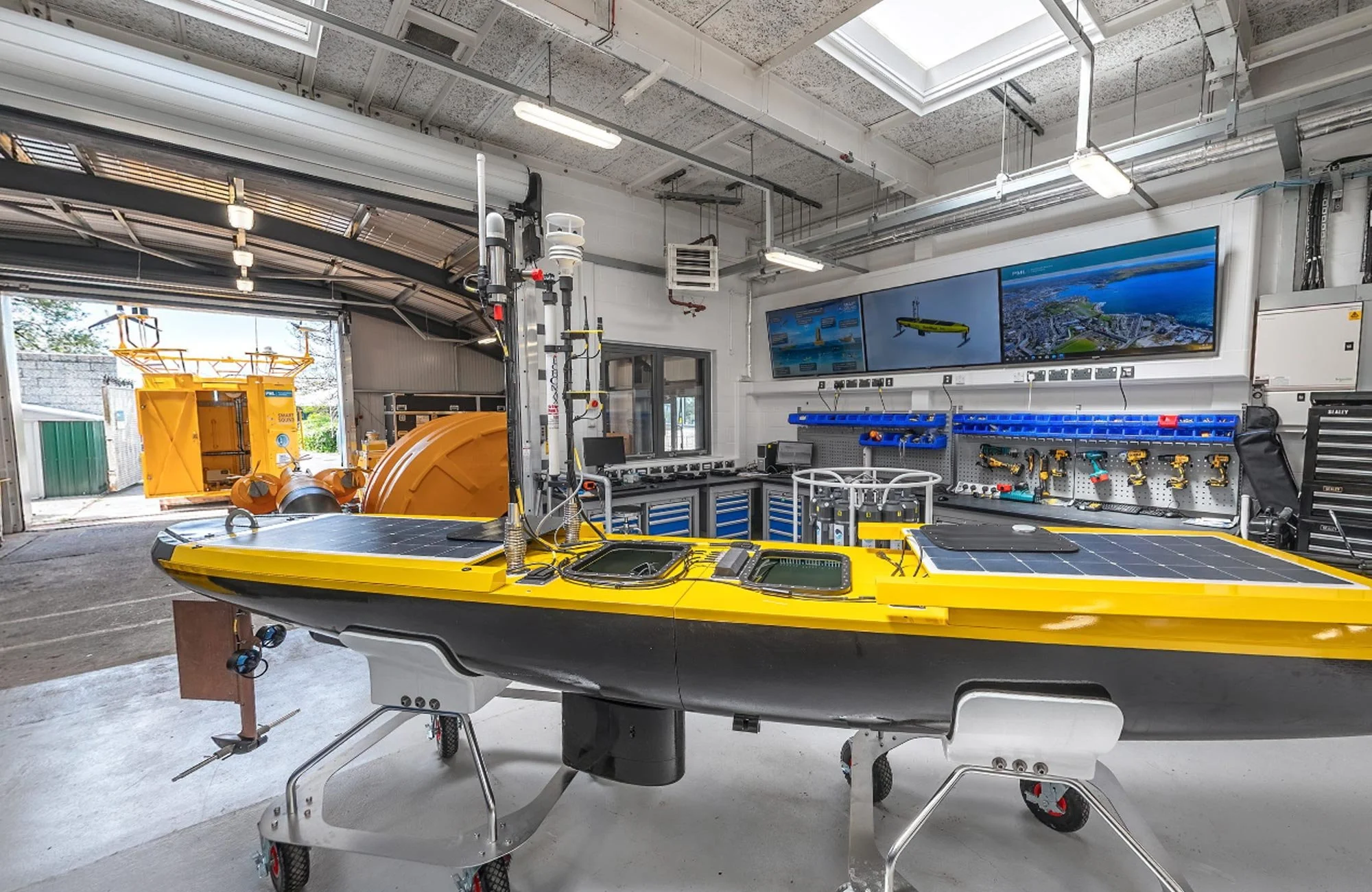
Smart Sound Laboratory
The new Smart Sound Laboratory is designed for testing and development of pioneering scientific sensors and platforms.
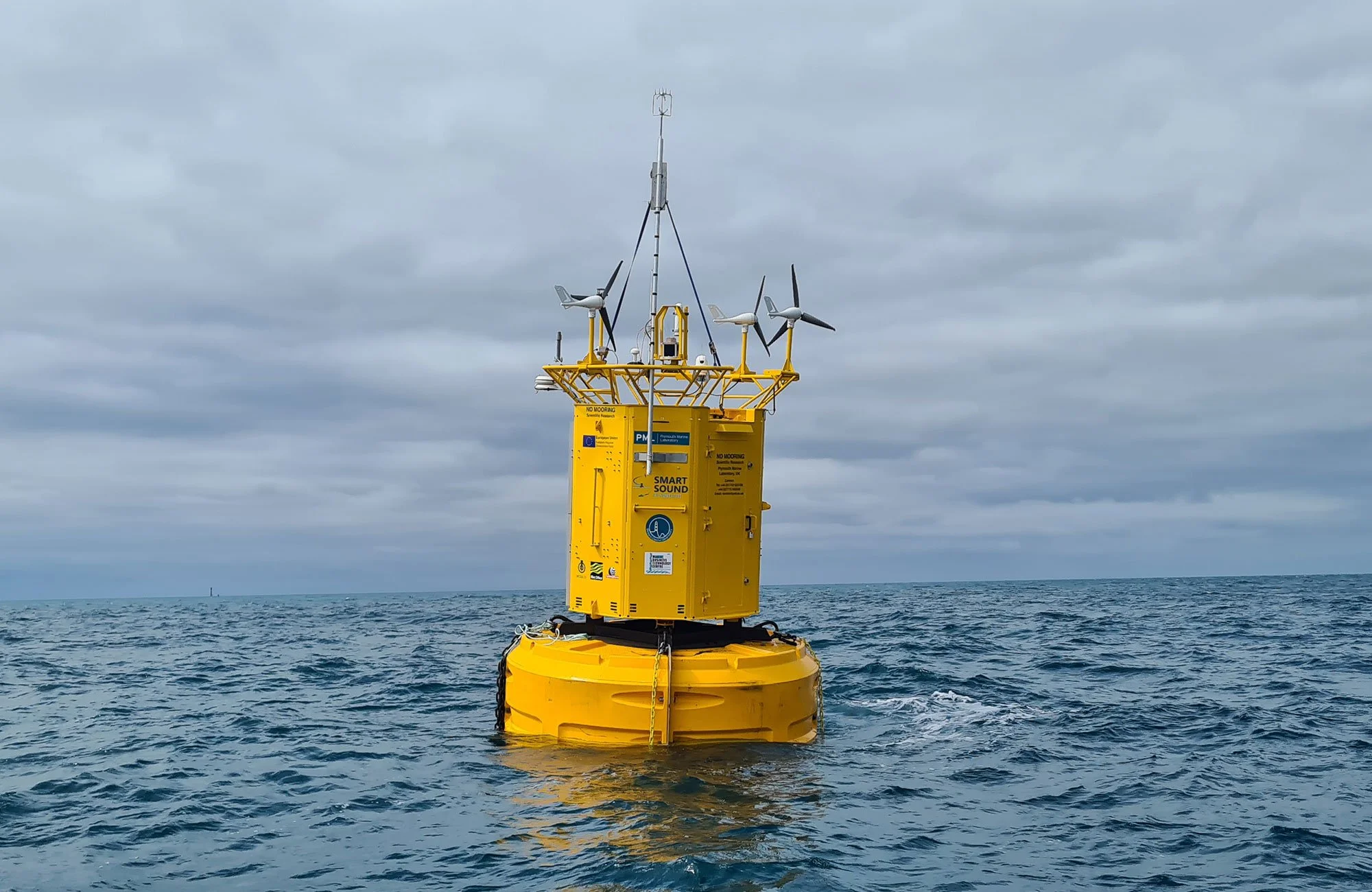
Data buoys
Autonomous data buoys collect data on a wide range of chemical, physical and biological aspects of the Western English Channel as part of the Western Channel Observatory.
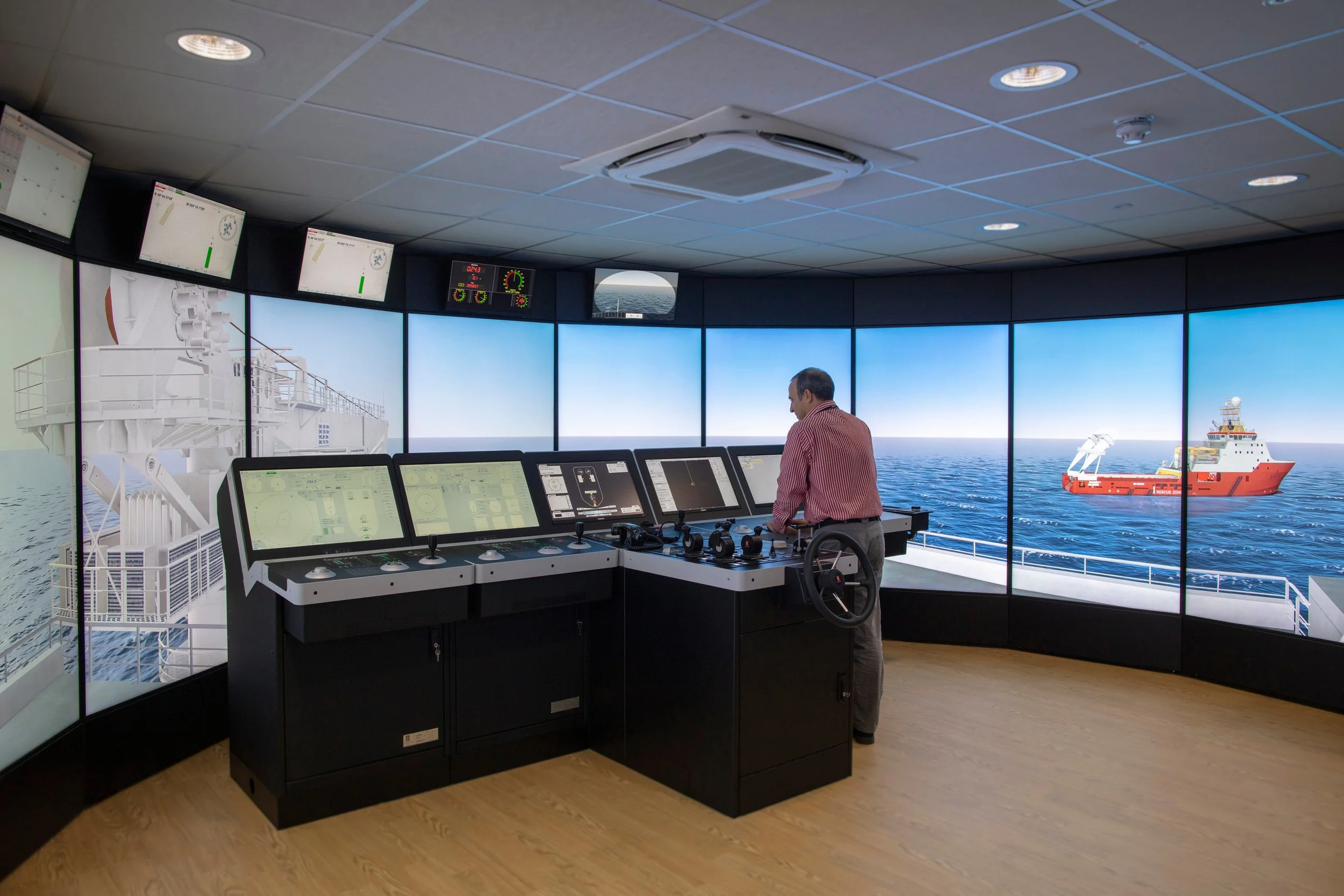
Maritime Simulation Lab
A virtual laboratory with a state-of-the-art Kongsberg K-Sim Dynamic Positioning Simulator that can test and optimise real-world maritime operations, free from environmental, regulatory or operational restrictions.
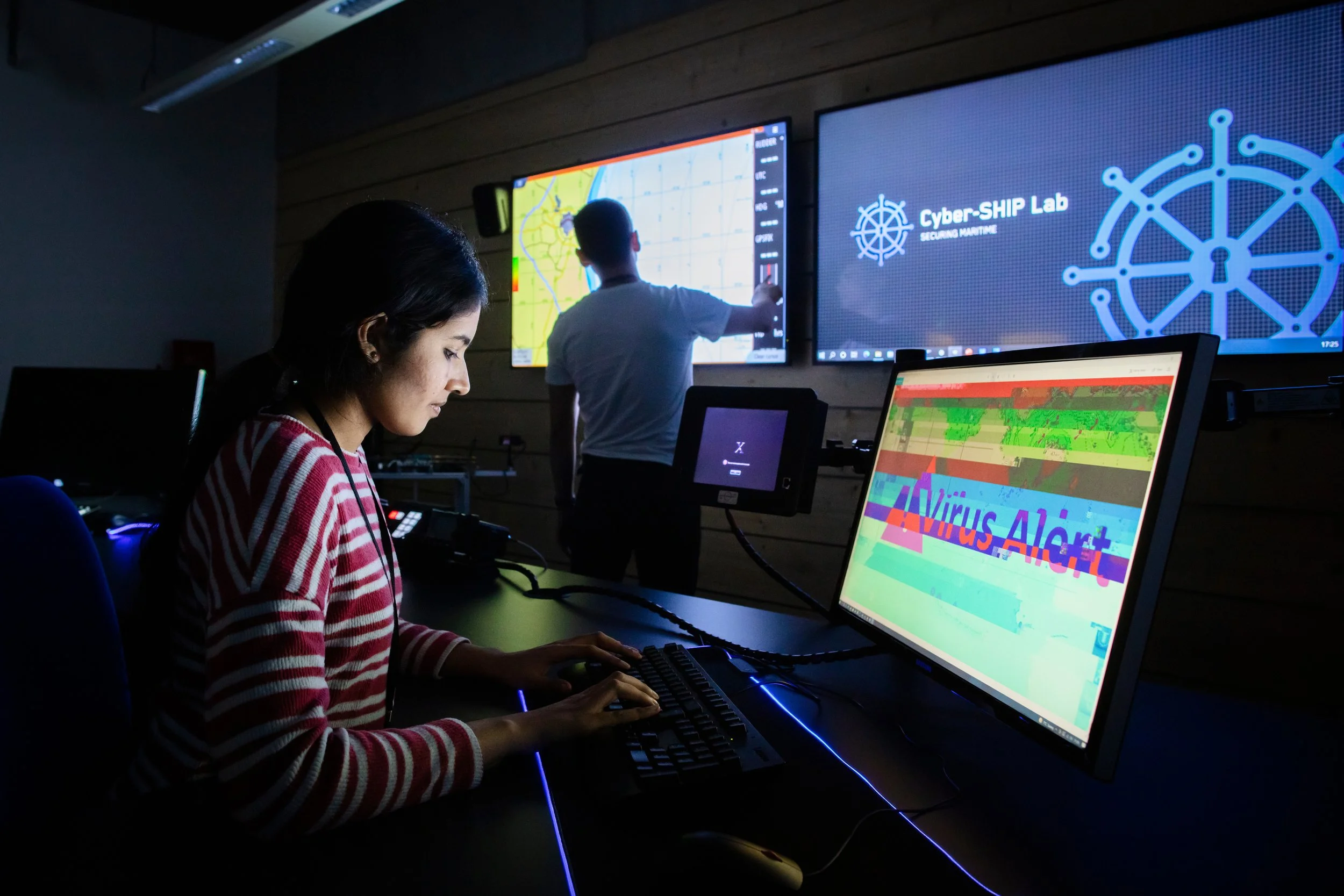
Cyber-SHIP Lab
A nationally unique hardware-based maritime cyber security research and development platform.
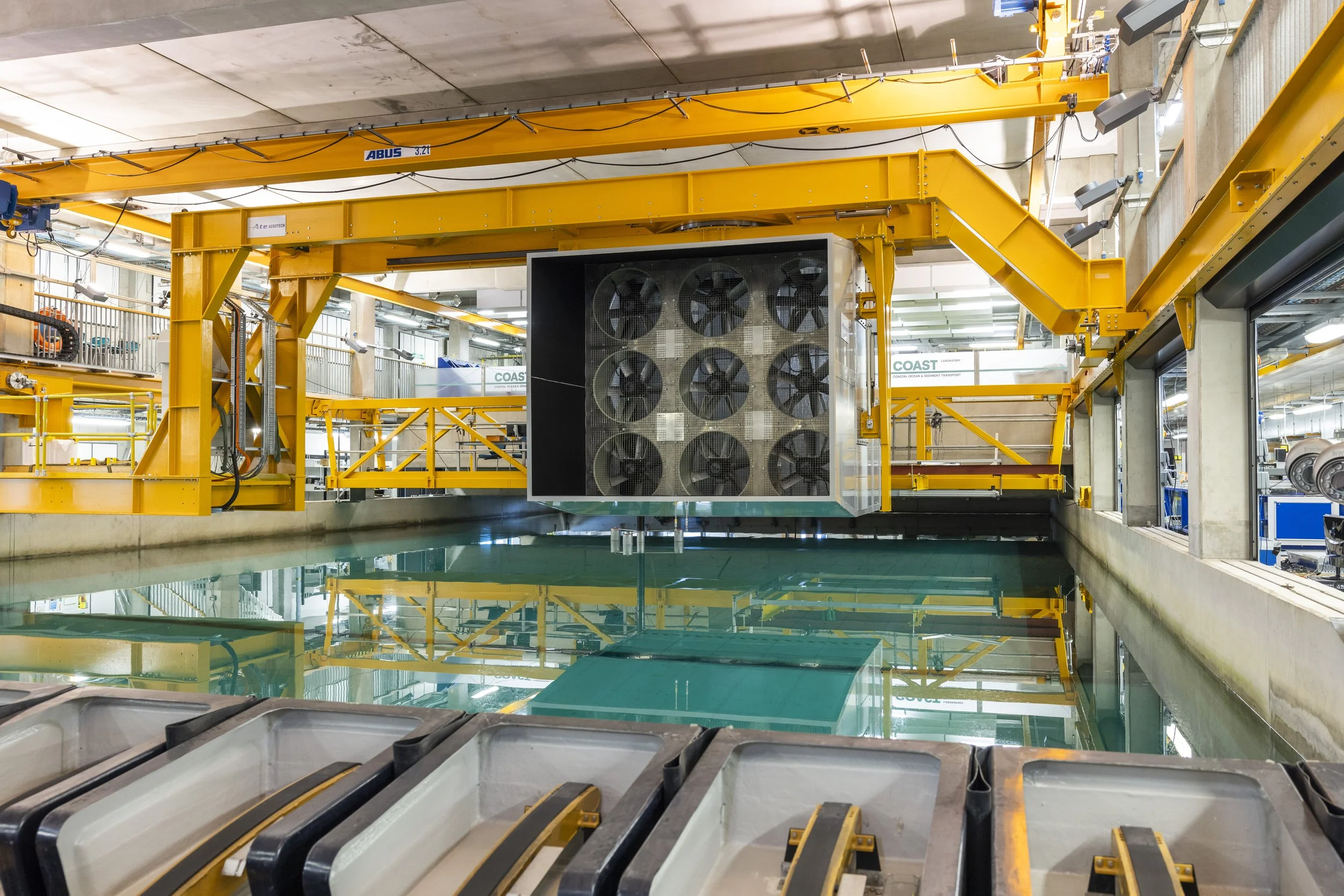
COAST Lab
The Coastal, Ocean and Sediment Transport (COAST) laboratory offers physical model testing with combined waves, currents, and wind for device testing, array testing, environmental modelling, and coastal engineering.
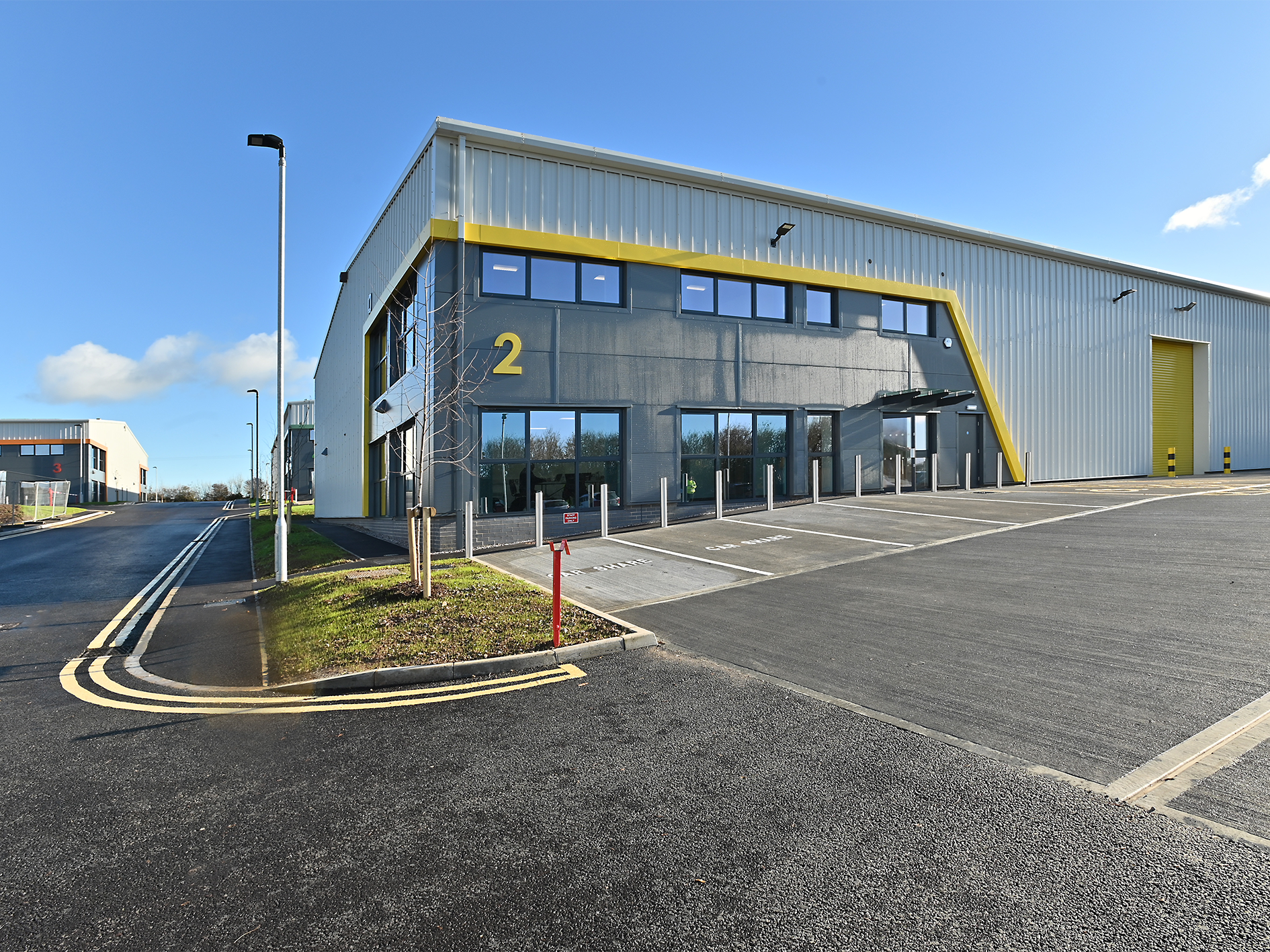
Plymouth and South Devon Freeport
The Plymouth and South Devon Freeport provides industrial units and development sites for businesses in the defence, marine, space, advanced manufacturing, engineering, and net-zero technology sectors. Businesses can access units, lease land, or purchase property within the Freeport. Tax and customs incentives are available in designated Freeport areas.
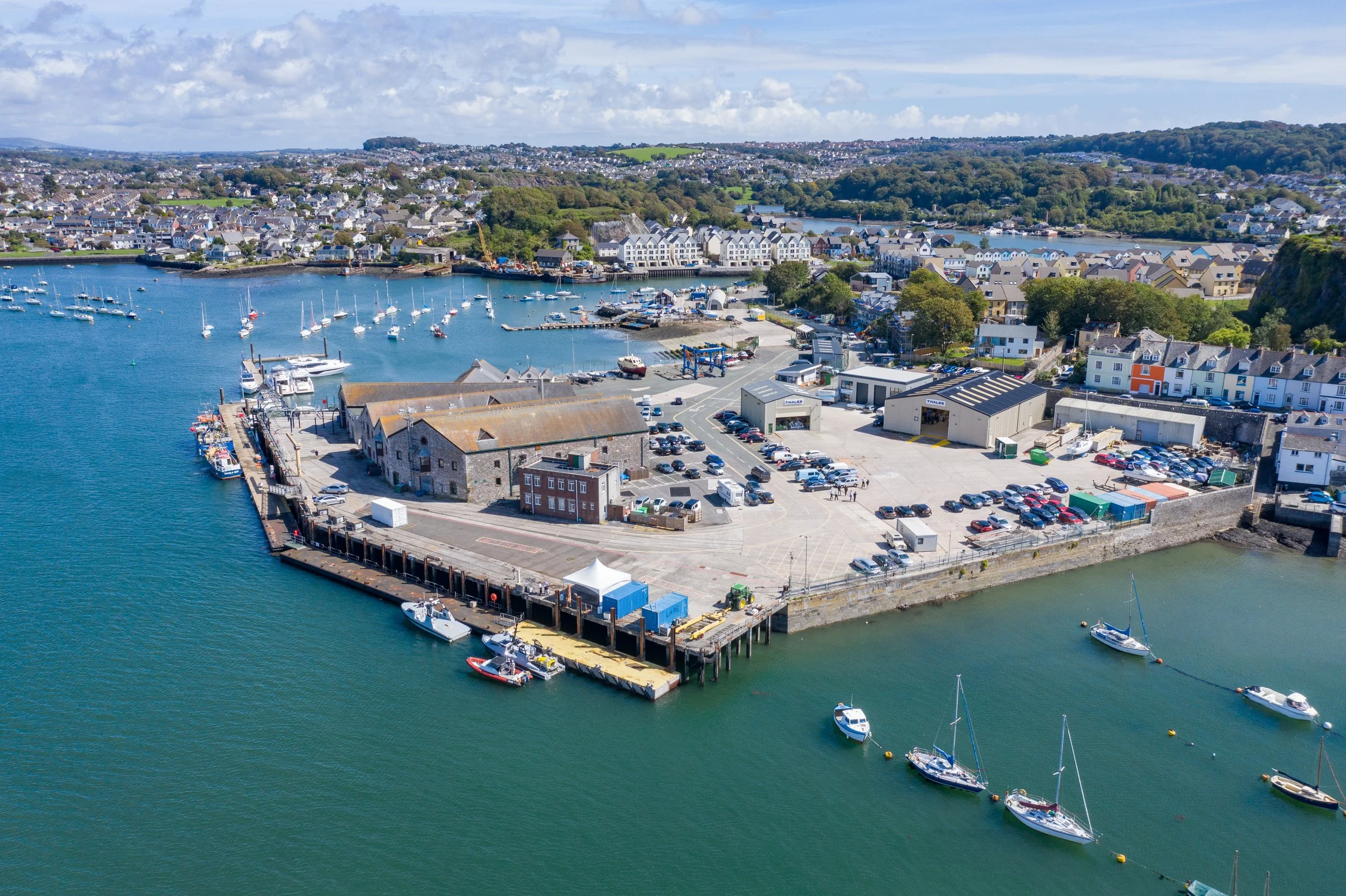
Turnchapel Wharf
Turnchapel Wharf on the Cattewater in Plymouth is a 14-acre waterfront business park and the home of UK maritime autonomy. It brings together cutting-edge testing, innovation and collaboration between national and international marine businesses, supporting the development and deployment of autonomous and smart maritime technologies.
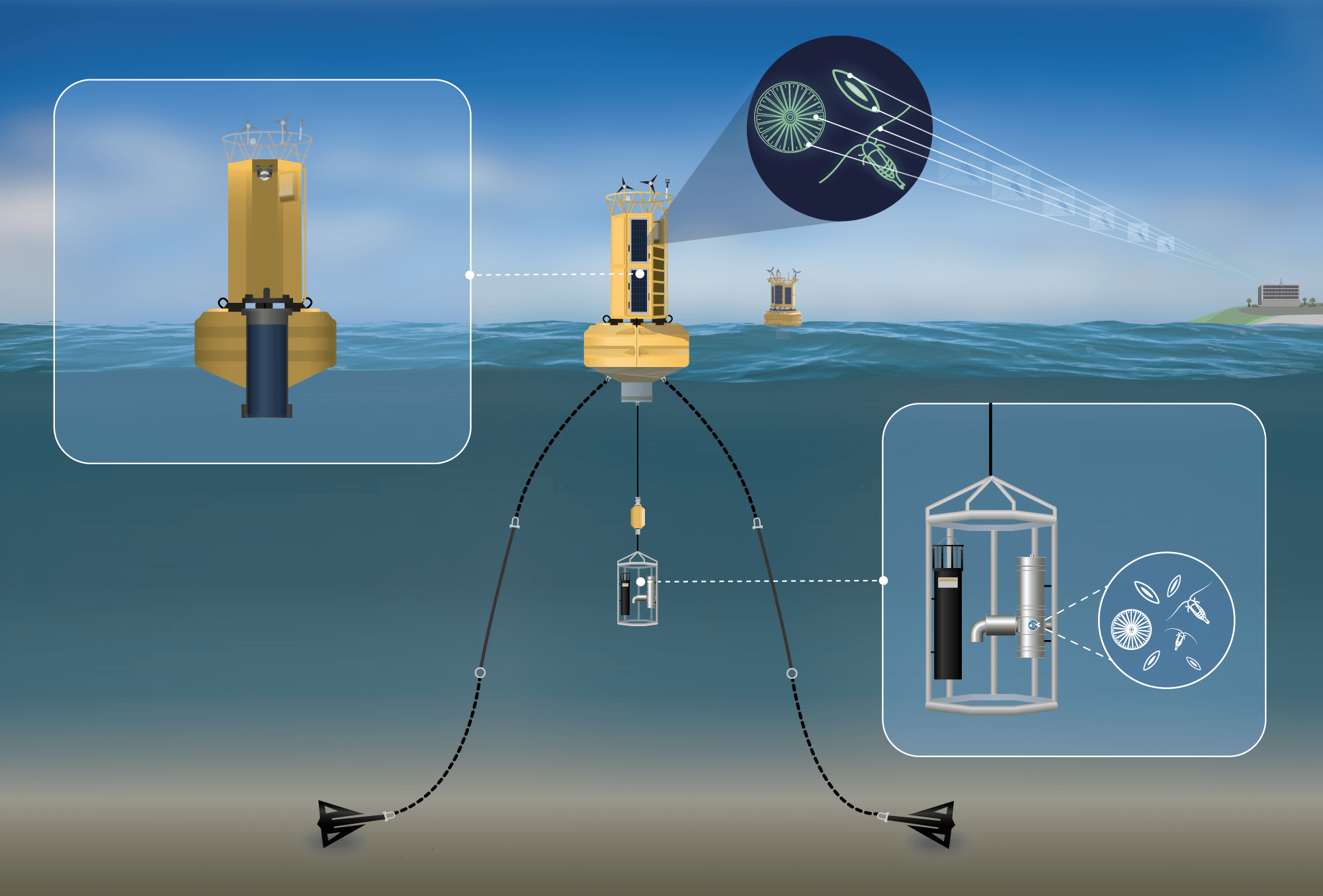
APICS
The Automated, in situ Plankton Imaging and Classification System (APICS), deployed long-term at the Western Channel Observatory, provides high-frequency plankton imagery with automated classification, improving detection of ecological change and climate-relevant biodiversity trends.
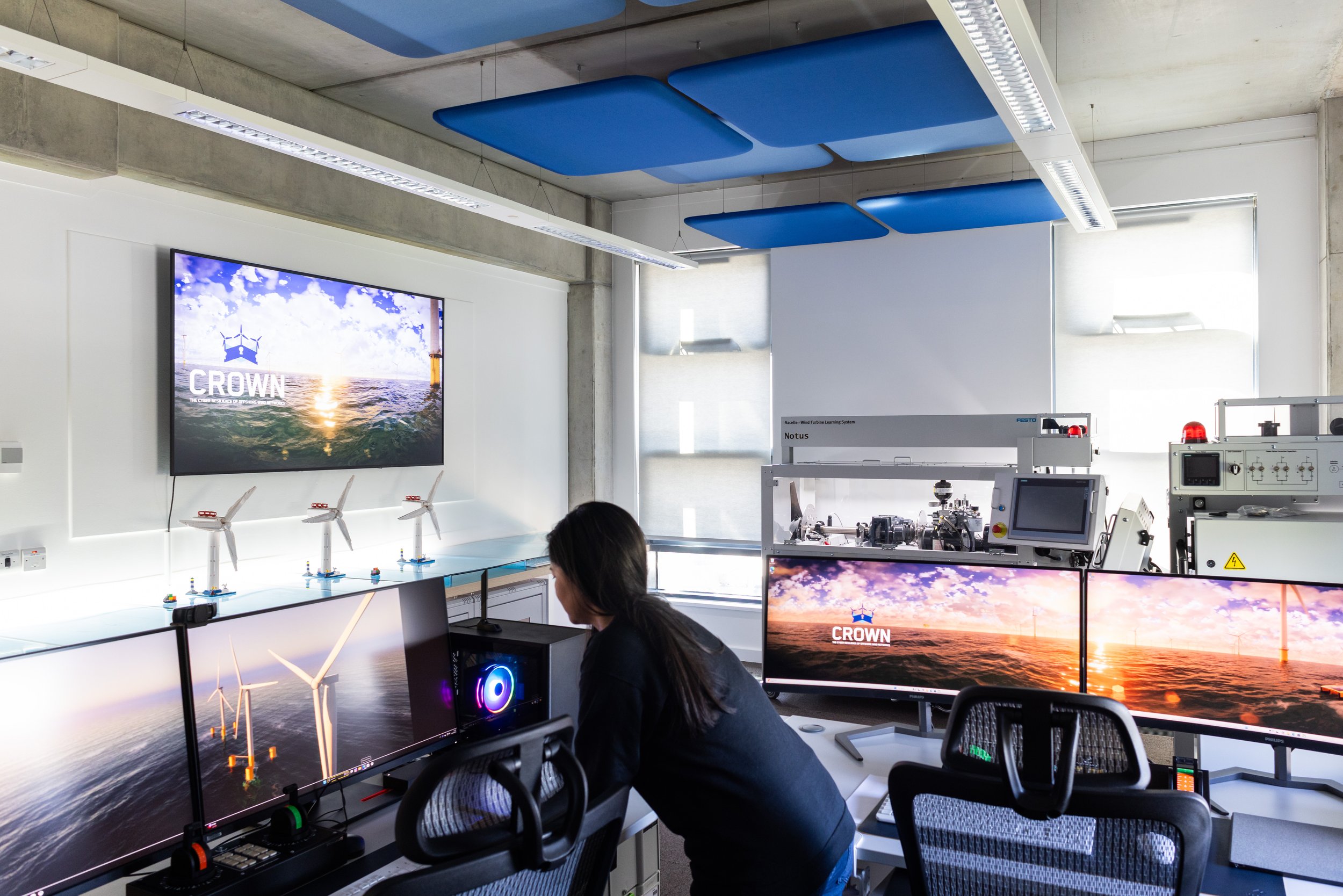
CROWN Lab
The Cyber-Resilience of Offshore Wind Network (CROWN) Lab is the world’s first dedicated offshore wind cyber security research, testing and development facility.
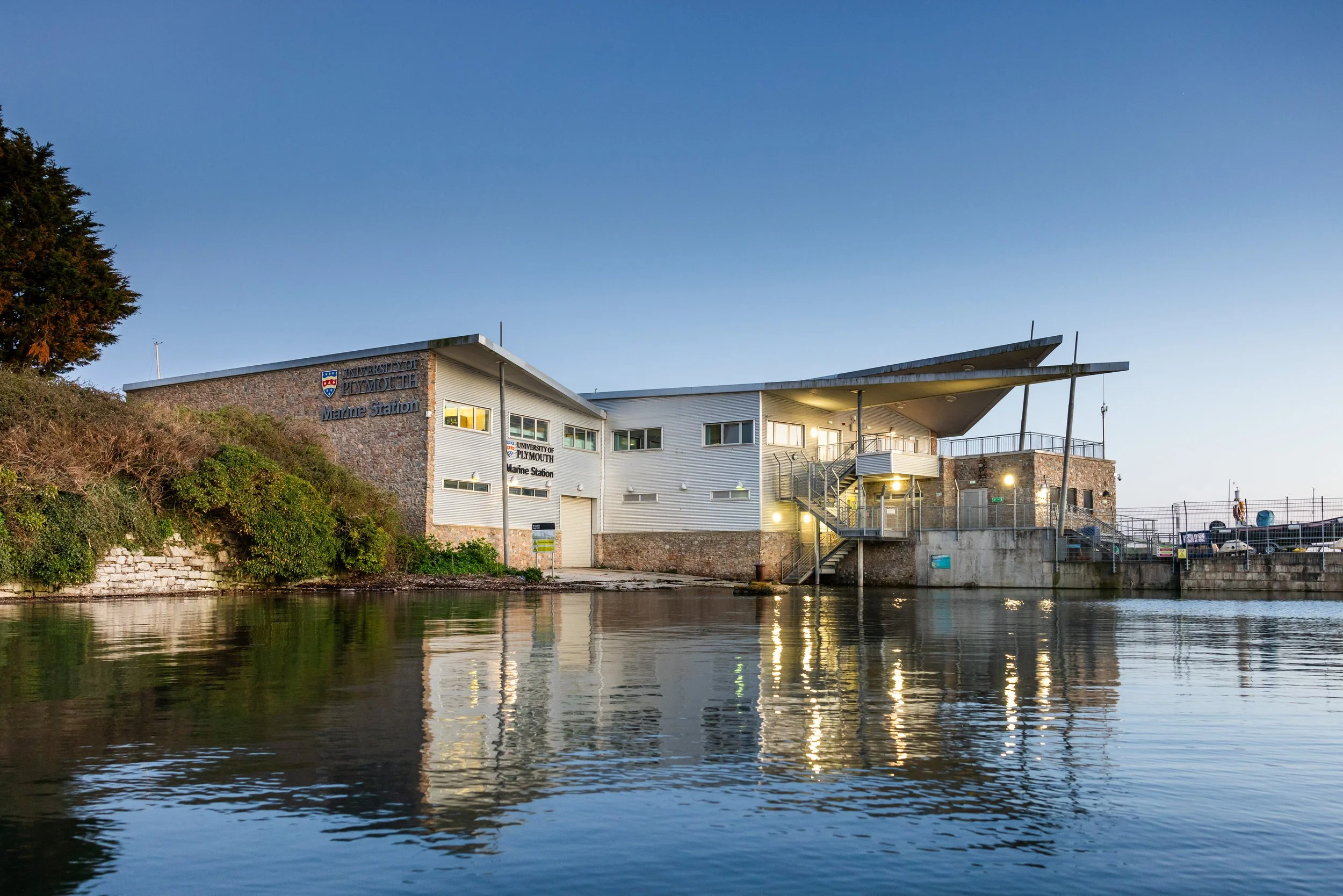
Marine Station
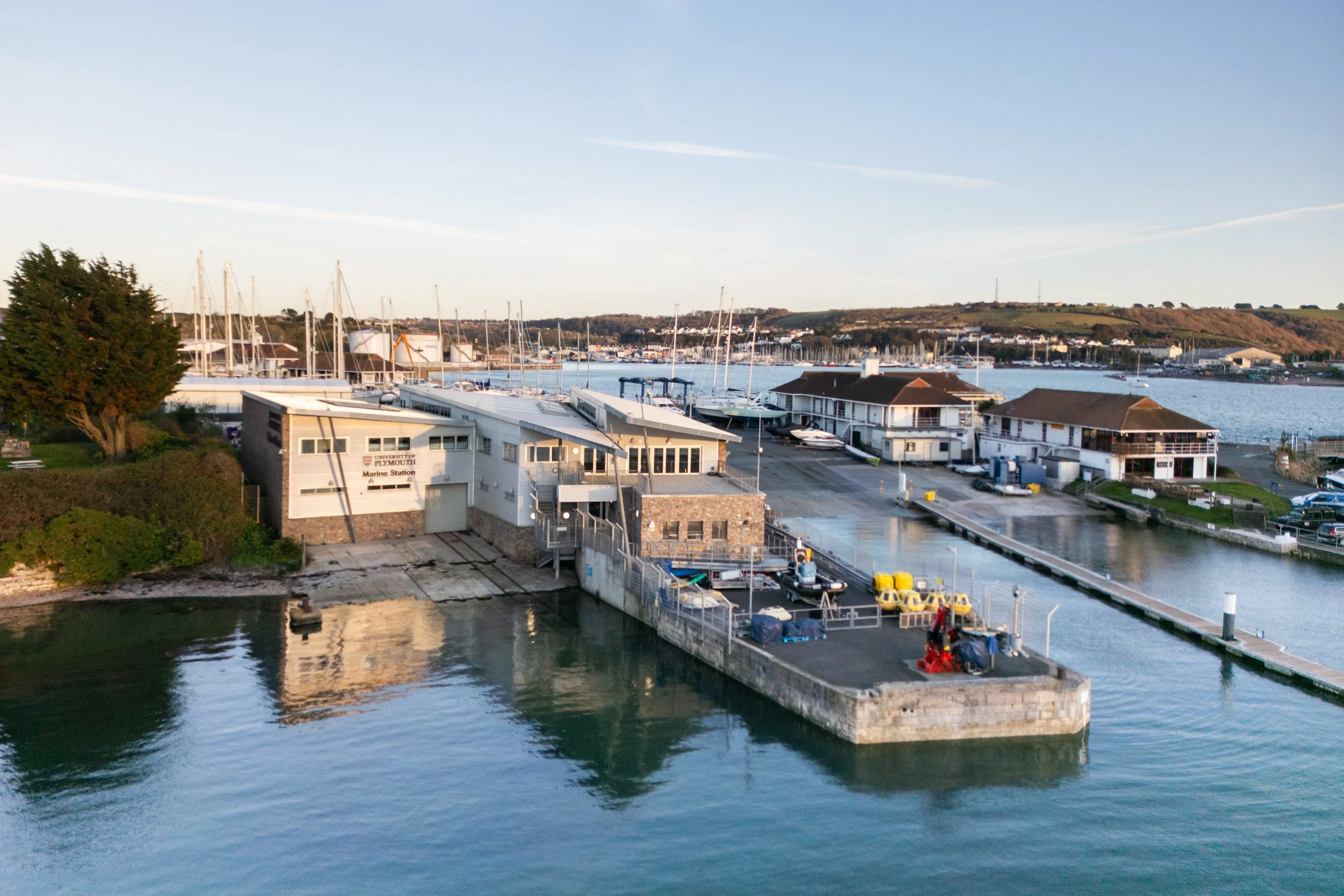
Situated on the shores of Plymouth Sound, this teaching and research facility serves as a hub for a fleet of autonomous and crewed vessels and is home to the Remote Operations Centre (ROC).
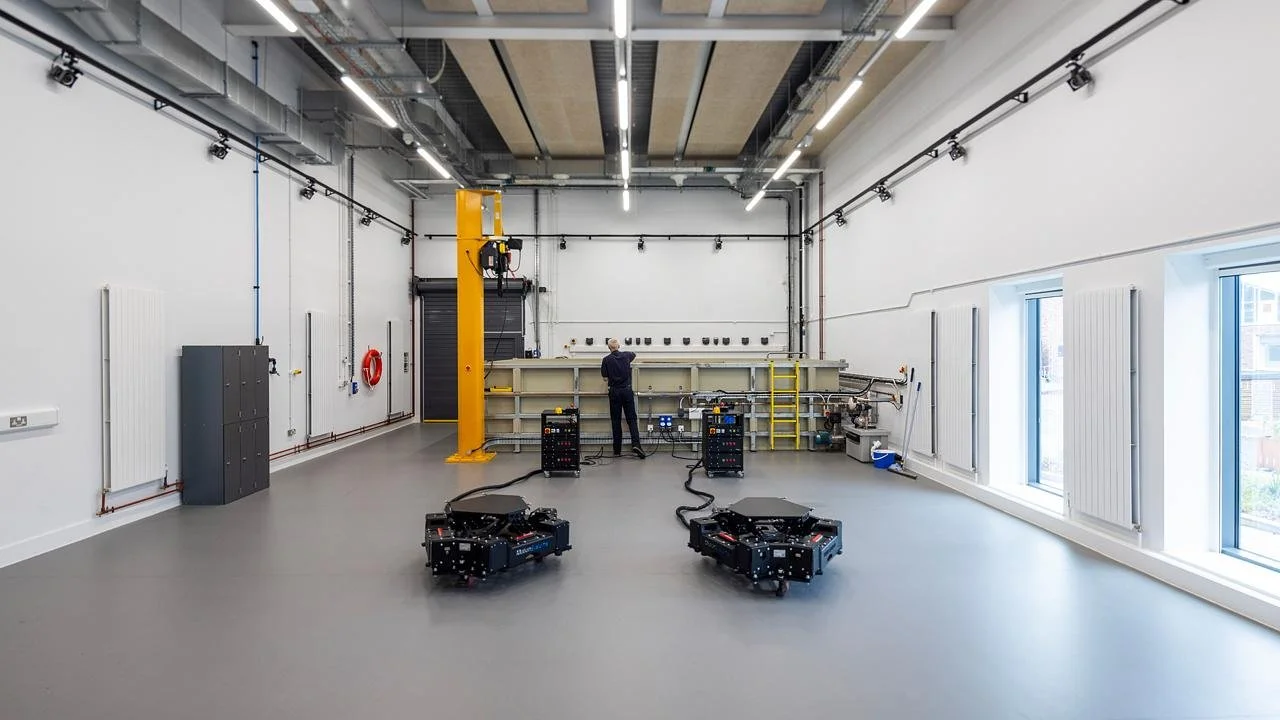
Autonomous Systems Test Lab
The laboratory enables safe testing and analysis of robots, autonomous and teleoperated vehicles, and wearable devices.
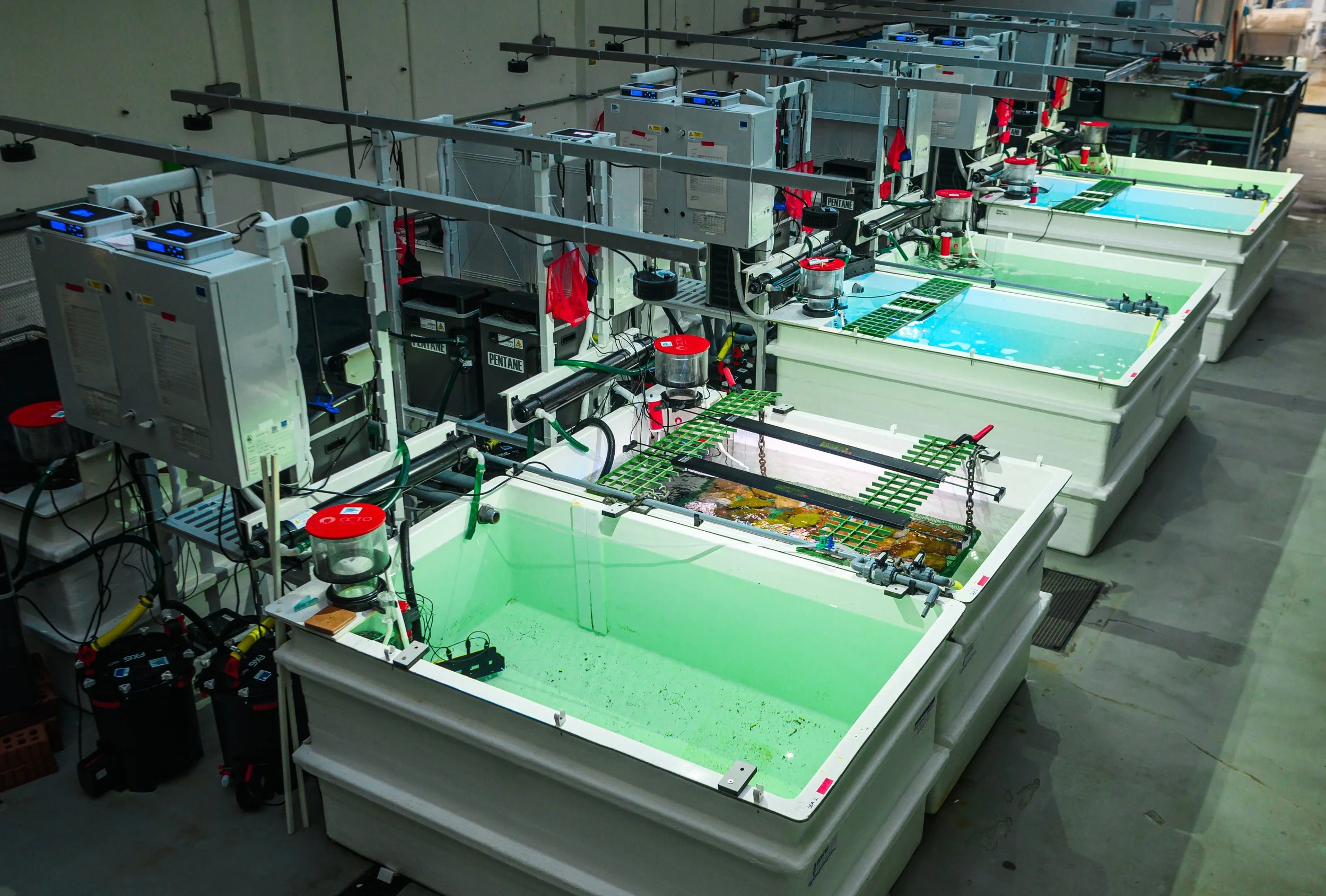
Mesocosm and aquarium
The Marine Biological Association aquarium and mesocosm facilities are supplied with seawater directly from Plymouth Sound and simulate natural marine conditions. Variables can be precisely manipulated to support a wide range of research, from filming and technology testing to marine biology, ecology, and microbiology.
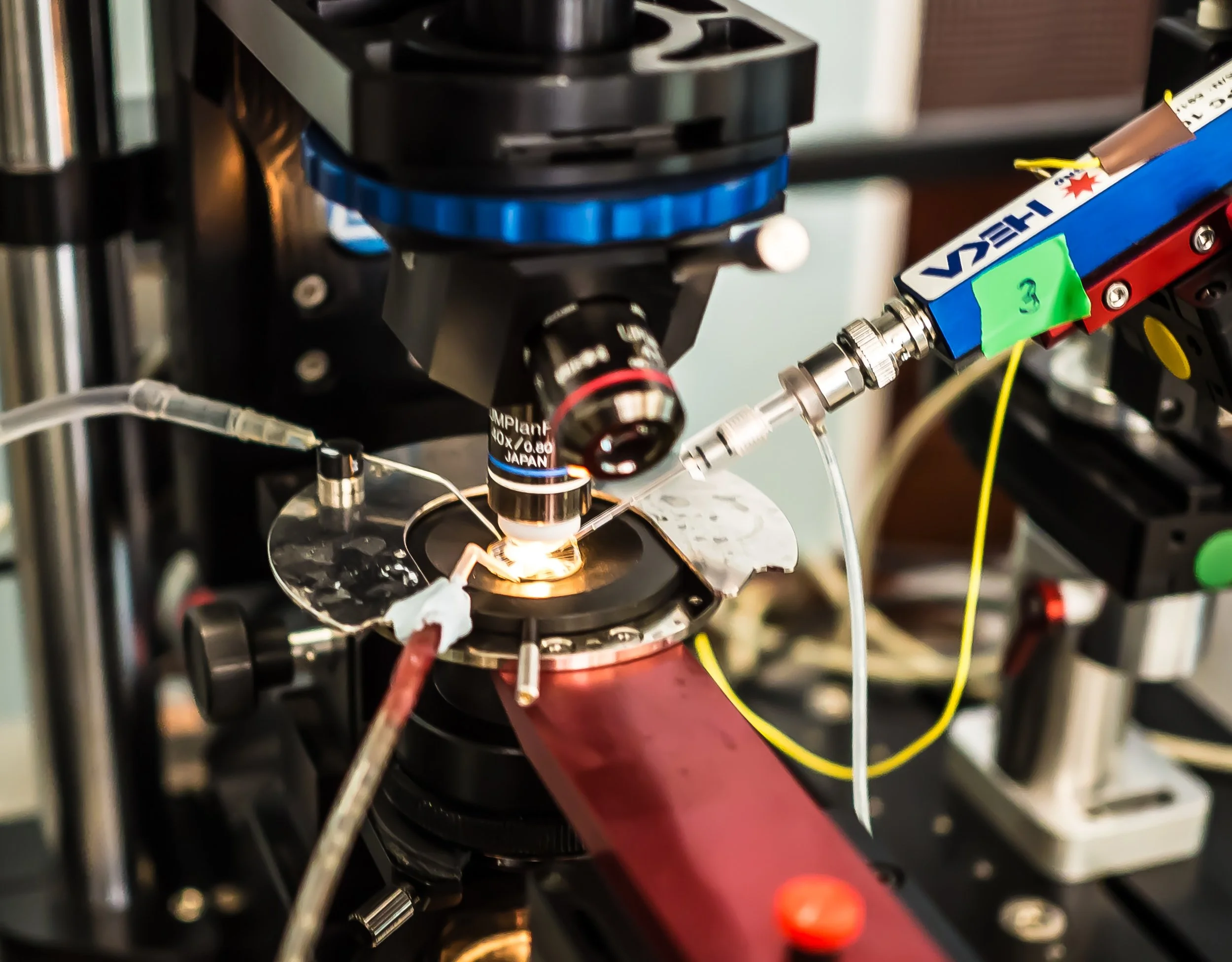
Advanced Microscopy and Laboratories
Excellence in whole-system bioscience and data management services, coupled with state-of-the-art laboratory facilities, an advanced microscopy suite, analytics and emerging sensor technologies, combine to provide a complete testing pipeline to sharpen your science.
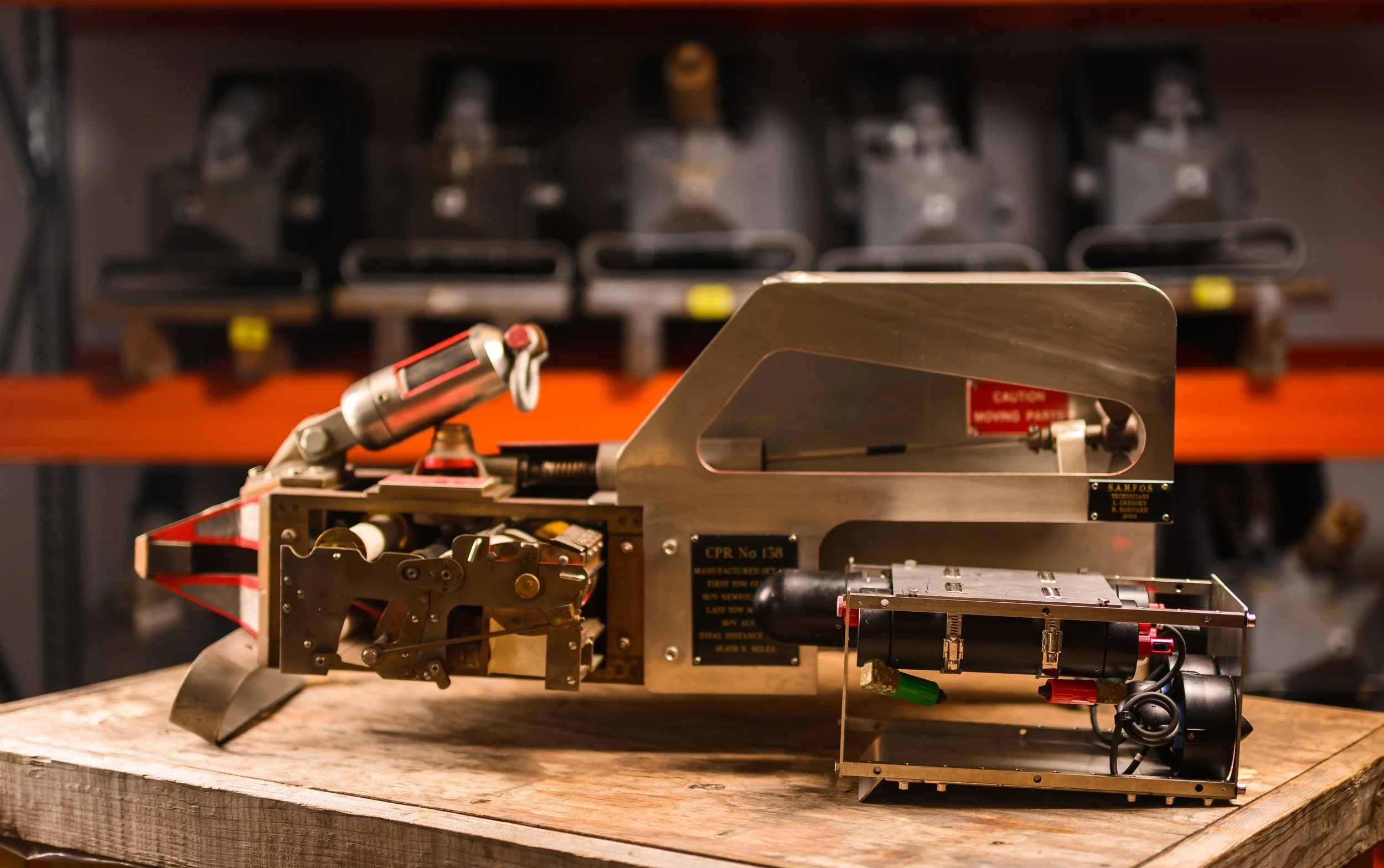
Subsurface Technology Platform
The Continuous Plankton Recorder (CPR) provides a unique low-impact host observation platform for subsurface technology testing. With CPR Survey, collaborators can access an extensive, established network of ships of opportunity worldwide.